Cupping therapy has gained popularity as an alternative healing technique that promotes muscle pain relief, detoxification, and overall wellness. From traditional cupping methods to modern adaptations, understanding how cupping works can help you decide if this therapy suits your health goals. In this complete guide, we explore the benefits, techniques, and science behind cupping therapy.
What Is Cupping Therapy?
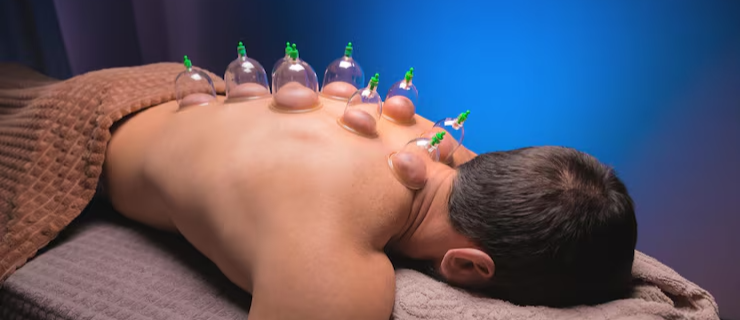
Cupping therapy is an ancient alternative healing practice that involves placing cups on the skin to create suction. This suction encourages blood flow, reduces inflammation, and promotes muscle relaxation. Traditionally used in Chinese and Middle Eastern medicine, cupping is now widely adopted worldwide for its therapeutic effects.
Key Points:
● Suction can be created using fire, air pumps, or vacuum devices.
● Cups are applied to specific points on the body, often on the back, neck, and shoulders.
● Therapy sessions typically last between 5 and 20 minutes, depending on the method
used.
Explore our cupping therapy service →
How Cupping Works
Understanding how cupping works requires knowledge of both physiology and therapy techniques. The suction pulls the skin and underlying tissues upward, increasing blood circulation and stimulating healing responses. Benefits include:
● Improved blood flow and lymphatic drainage.
● Relaxation of tight muscles.
● Reduced inflammation and pain in targeted areas.
● Supporting detox therapy by stimulating the removal of toxins.
Types of Cupping Methods
1.Traditional Cupping
- Uses glass or bamboo cups with fire to create suction.
- Historically rooted in Chinese medicine.
- Believed to balance energy flow or “Qi” in the body
2. Dry Cupping
- Cups create suction without moving the skin.
- Focuses on muscle pain relief and relaxation.
3. Wet Cupping
- Involves small incisions to draw out blood along with suction.
- Used in detox therapy for deep cleansing.
4. Vacuum or Modern Cupping
- Uses handheld devices or pumps instead of fire.
- Safer and more controlled for therapeutic use.
Cupping Therapy Benefits
Cupping therapy benefits are widely reported by users and backed by emerging clinical research.
Top benefits include:
- Muscle Pain Relief : Effective for back, shoulder, and neck pain
- Stress Reduction: Promotes relaxation and reduces tension.
- Detox Therapy: Helps in removing metabolic waste through improved circulation.
- Alternative Healing: Complements conventional treatments for chronic conditions.
- Skin Health: Enhances nutrient delivery and can improve certain skin issues
Expert Insight:
Dr. Mark Smith, a licensed physiotherapist, notes, “Cupping therapy improves local blood flow, which helps accelerate muscle recovery after strenuous activity.”
Who Can Benefit from Cupping Therapy?
Cupping is suitable for:
- Athletes seeking faster muscle recovery
- Individuals with chronic pain or tension.
- People looking for alternative healing options.
Precautions:
- Avoid on broken skin or areas with infections.
- Pregnant women should consult a doctor.
- Not recommended for individuals with blood disorders.
Call to Action
Experience the transformative benefits of cupping therapy with PainCure, your trusted center for effective pain relief and alternative healing. Our expert therapists use proven cupping methods to reduce muscle tension, support detox therapy, and enhance overall wellness. Don’t wait—take the first step toward a pain-free, healthier you.
Book your PainCure cupping therapy session now →
FAQs
Q1. How often should I do cupping therapy?
A: Most people benefit from 1–2 sessions per week, but frequency may vary based on individual needs and therapy type.
Q2. Does cupping therapy leave marks?
A: Yes, mild circular marks may appear but typically fade within a few days.
Q3. Is cupping therapy safe for everyone?
A: It’s generally safe when done by trained professionals, but those with certain health conditions should consult their doctor first.
Q4. How does cupping help with muscle pain relief?
A: Suction increases blood flow and loosens tight muscles, helping to reduce inflammation andaccelerate healing.
Q5. Can cupping therapy be combined with other treatments?
A: Yes, it works well alongside massage therapy, physiotherapy, and other alternative healing practices.